

About TMS

What Is Deep Transcranial Magnetic Stimulation (dTMS)?

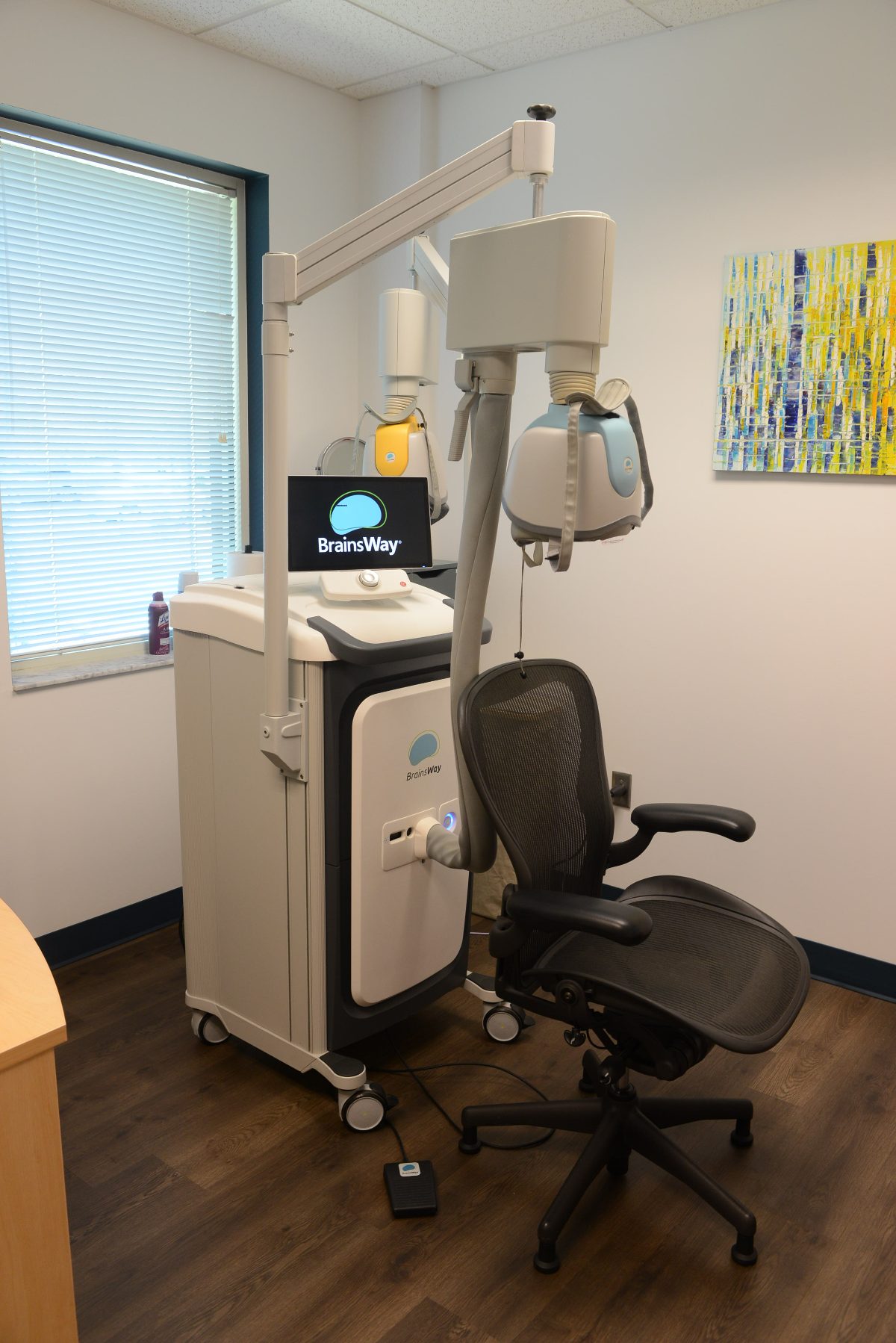
BrainsWay Deep TMS equipment in a treatment room

Deep TMS Overview

A non-invasive treatment option

Transcranial Magnetic Stimulation (TMS) is an FDA-cleared, non-invasive treatment option that may help patients with Major Depressive Disorder (MDD), Obsessive-Compulsive Disorder (OCD), and adults seeking support with smoking cessation.

The BrainsWay Deep TMS (dTMS) system uses an H-coil design to stimulate deeper and broader brain regions than some traditional coils. In clinical trials, Deep TMS has shown benefit for MDD and OCD, including patients who did not respond adequately to medication or other traditional treatments.

Because treatment does not require anesthesia or sedation, most patients can return to normal daily activities after each session.

BrainsWay has also received expanded FDA-cleared indications for MDD with anxiety symptoms and other MDD protocols. Eligibility and protocol selection are reviewed during consultation.

BrainsWay Deep TMS is FDA-cleared for MDD, OCD, and as an aid for short-term smoking cessation in adults.

How dTMS Works

How does dTMS work?

Deep Transcranial Magnetic Stimulation (dTMS) uses electromagnetic pulses to generate a targeted magnetic field in the brain and activate neural circuits associated with mood and other symptoms. The goal is to modulate activity in those circuits without surgery, anesthesia, or systemic medication.
FDA-Cleared Indications

BrainsWay Deep TMS is cleared for:

  • MDD
  • OCD
  • Smoking Cessation

About Deep TMS

A visual overview of BrainsWay technology and how treatment targets specific brain circuits.

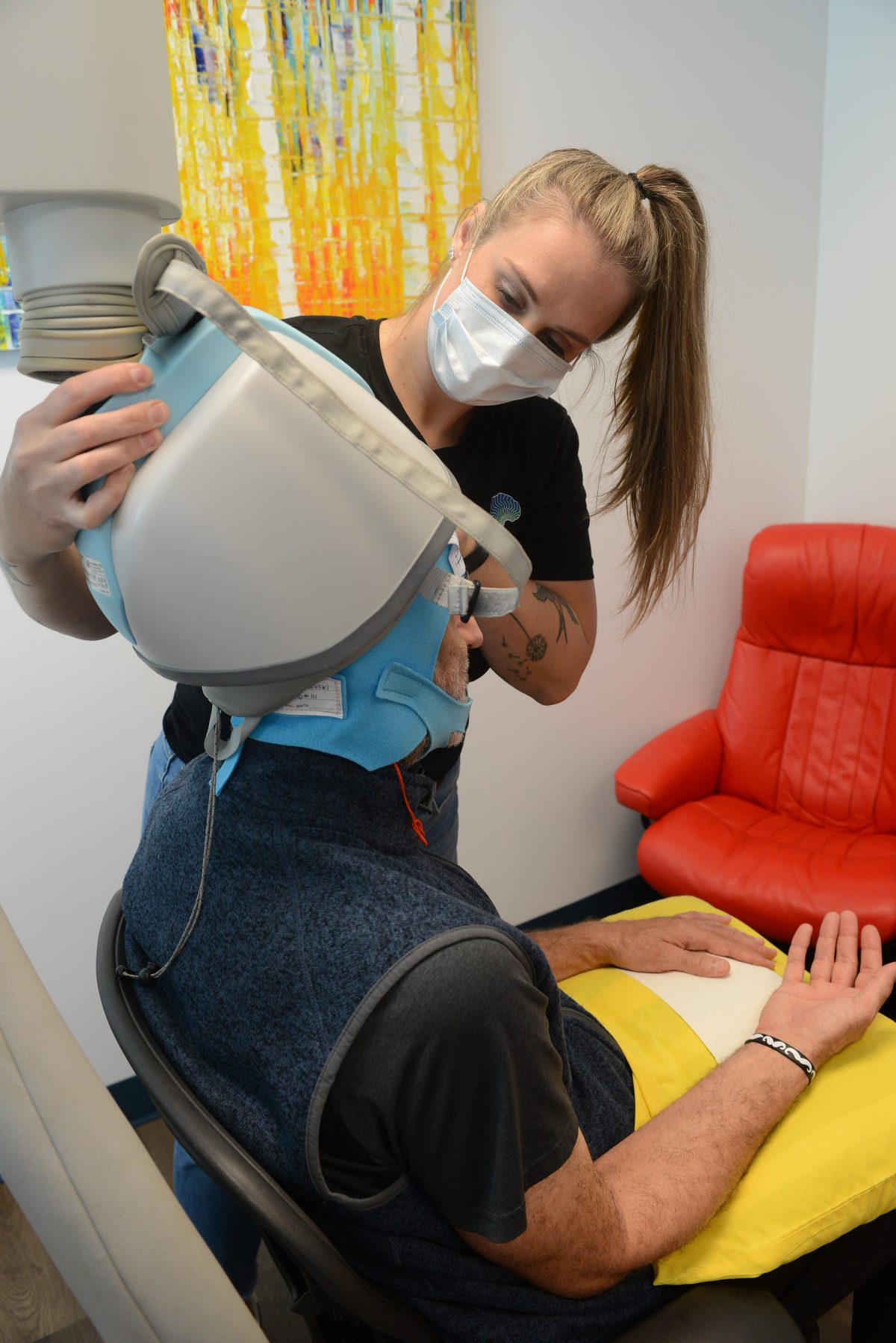
Patient receiving Deep TMS treatment

After A Session

What can a patient expect after a TMS session?

After a Deep TMS treatment session, there is no downtime, and you will be able to immediately return to your normal routine without any restrictions. Since anesthesia is not needed for Deep TMS, you will also be able to drive to and from your treatments. The majority of patients do not experience side effects, but some patients may feel tired or experience headaches.

Results can vary, but many people notice symptom improvement between the third and fourth week of treatment. Some maintain benefit for a year or longer, while others may consider additional treatment if symptoms return.

Candidate Review

How do I know if I am a good candidate for TMS?

BioMental Clinic conducts a comprehensive evaluation to determine if TMS therapy is right for you. Some medical conditions or implants may require additional review or make TMS therapy inappropriate.

It may not be appropriate if you have:

  • Metal in or around your head (braces and dental fillings are safe)
  • Pacemakers
  • Implanted cardioverter defibrillators
  • Vagus nerve stimulators
  • Epilepsy

If TMS is not right for you, we also offer esketamine / Spravato treatments as an alternative therapy for treatment resistant depression.

During Treatment

What can a patient expect during treatment?

During the procedure, a helmet is fitted over the patient’s head before sending magnetic pulses to targeted areas of the brain.

During the first session, the patient will be seated in a chair and will be given earplugs to protect their hearing. Dr. Galliano-Pardo will personally oversee the treatment team while brain mapping and motor threshold determination are performed. This process identifies the best treatment location for each patient and also determines the treatment dosage, or intensity.

During subsequent sessions, patients relax comfortably and can watch their favorite TV shows or movies. Unilateral treatments can be completed in as little as 20 minutes.

Each patient will receive a treatment plan unique to their own needs. Patients can expect to come in for treatment 5 days a week for 4 to 6 weeks, followed by a tapering schedule until the total number of treatments are completed, usually 44 sessions.

Side Effects

What side effects can a patient experience with TMS treatments?

While most people do not experience side effects, some do. You may feel some pain or discomfort at or near the treatment area, feel tired, or have headaches after the sessions.

When side effects occur, they are usually temporary and typically occur only during the first couple of weeks of treatment. There is a risk of seizure of less than 0.1% while you are receiving treatment at the office. In most cases, patients will not need to take time off from school or work.

Getting Started

How to Start TMS Therapy

We keep the first steps clear so you know what happens before treatment begins.

Next steps

  1. Request a Consult Tell us you’re interested in TMS. We’ll get back to you within one business day.
  2. Clinical review and paperwork Once you’re approved and your paperwork is complete, we’ll schedule your first appointment within 5 business days.
  3. Mapping and first treatment At your mapping visit, we identify the treatment location and calibrate the stimulation level for you before beginning your first session.

Frequently Asked Questions

Frequently Asked Questions

What is Deep TMS?

dTMS stands for Deep Transcranial Magnetic Stimulation, a non-invasive treatment approach FDA-cleared for MDD, OCD, and as an aid for short-term smoking cessation in adults.

Is the procedure safe?

Deep TMS has been proven to be safe and generally well tolerated. The treatment does not cause systemic side effects like insomnia, weight gain, or sexual dysfunction, but it should not be used if the patient has metal implants in or around the head except standard amalgam dental fillings.

When can I get back to work?

With Deep TMS there is no downtime. You can return to your normal routine right after each session.

Does insurance cover TMS treatment?

All major healthcare insurance companies and Medicare cover TMS for Treatment Resistant Depression under their own criteria of medical necessity, and some will need preauthorization. Most insurance plans require failed trials of several antidepressants and prior psychotherapy treatment.

How does Deep TMS therapy work?

Deep TMS uses repetitive pulses of magnetic fields to stimulate the area of the brain thought to function abnormally in patients with depression, the Left Dorsolateral Prefrontal Cortex (LDPC).

Will this work?

When used for major depressive disorder, TMS has a good chance to work. Clinical settings demonstrated that about 75% of patients had a response and about 50% went into full remission of depressive symptoms, although there are always individuals for whom TMS will not work.

How long do results last?

Roughly two out of three patients will maintain their response, or remission, for 6 to 12 months after their TMS treatments. About one third could see a return of depressive symptoms 6 to 12 months after TMS.

What is the indication to repeat TMS?

If you had a positive response to TMS but your symptoms return over the course of months or years, you can repeat the course of treatment. The chance of response with a second round is particularly good, roughly 78% to 84%.

What is maintenance TMS?

Some patients may benefit from maintenance treatment after completing a full course. This use is considered off-label and is generally not covered by insurance.

Contact Us

General Inquiries

For general questions, use this form and our team will follow up. Ready to request a consult? Please complete the consult request form.

Prefer to call? Reach us at 904-853-5867.